Chart Ferox
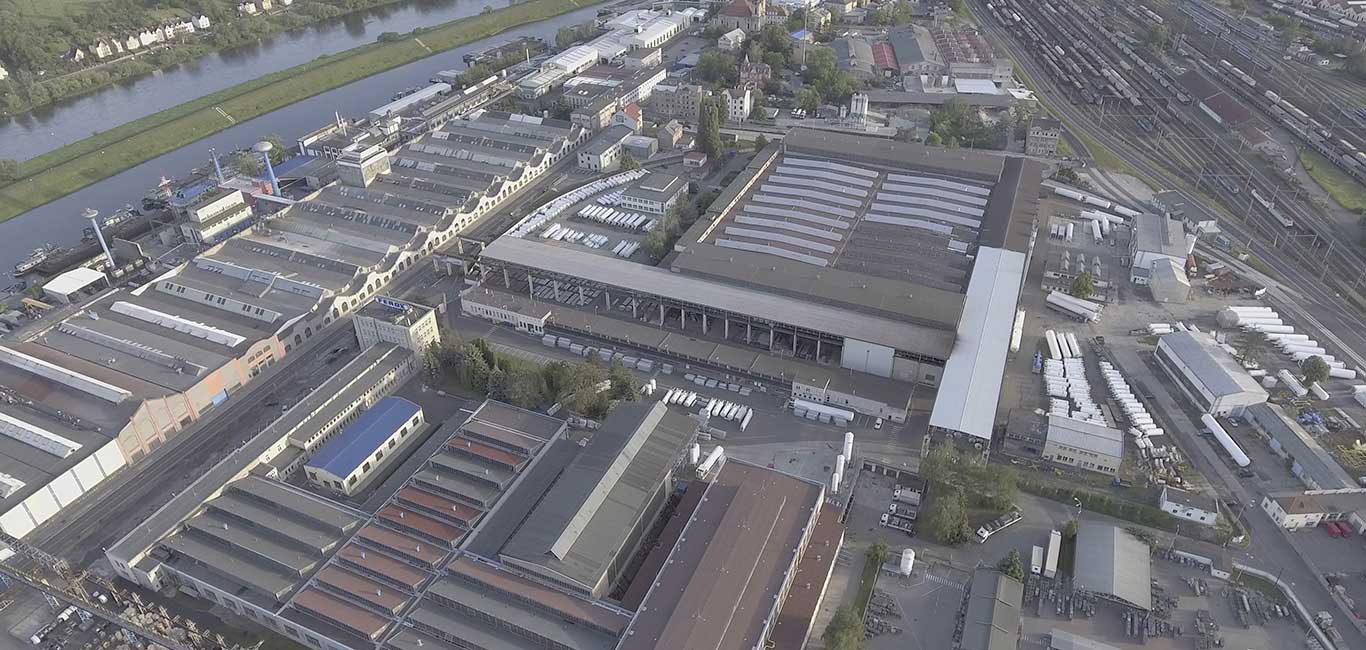
Chart Společnost Ferox má výhodnou polohu v českém městě Děčín a má celosvětovou pověst vynikající kvality a inovací.
O společnosti Chart v Evropě
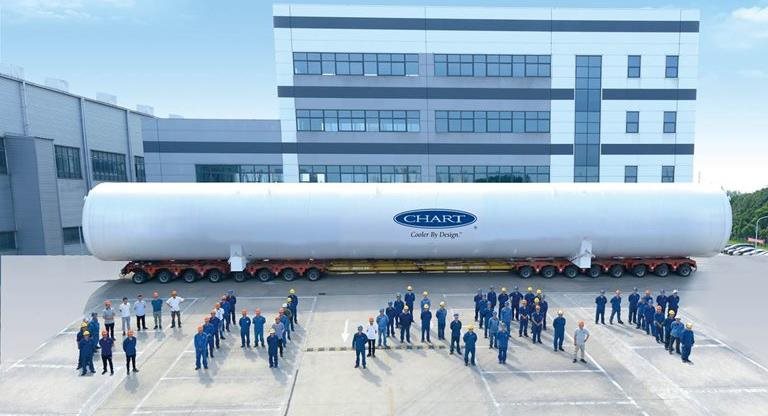
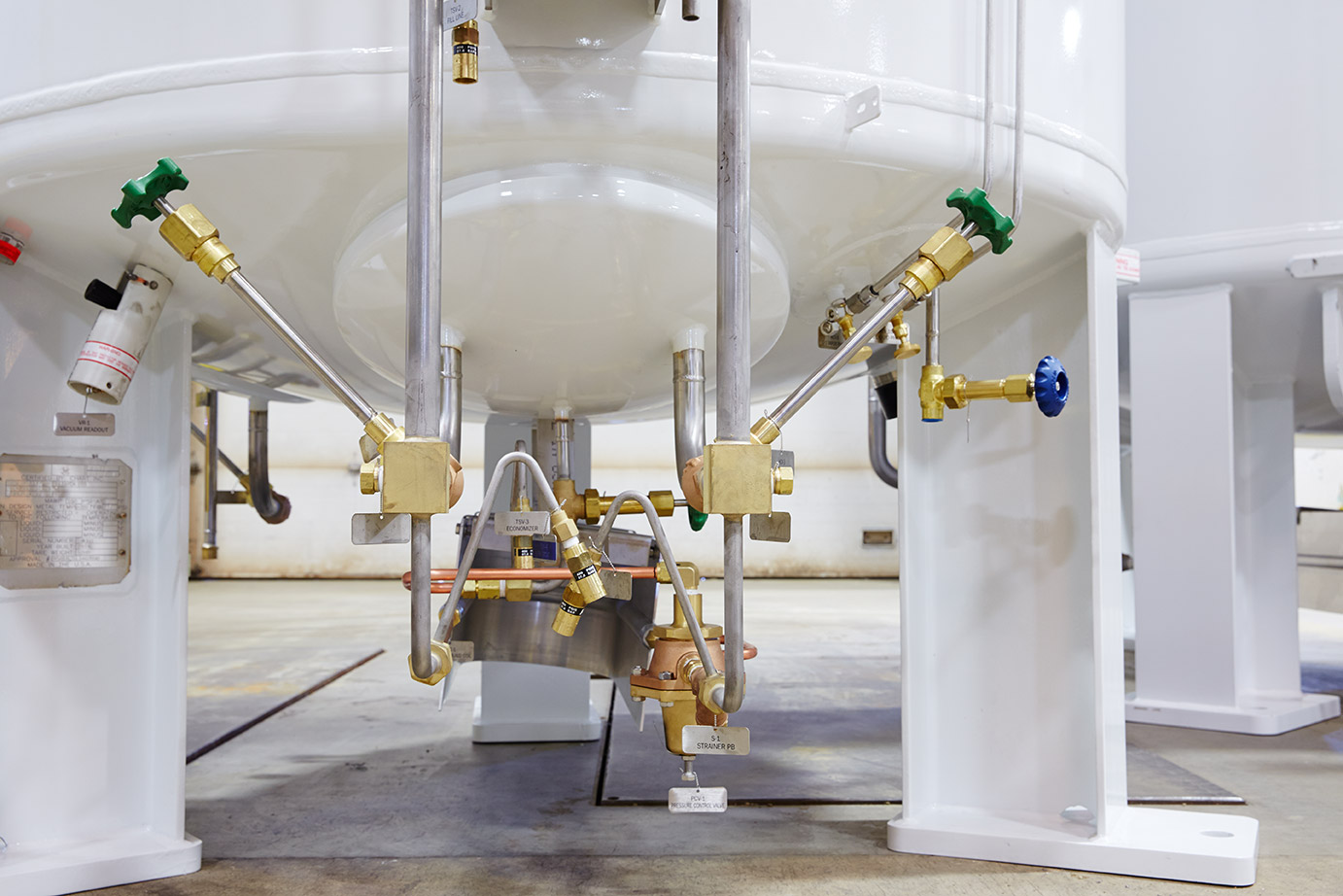
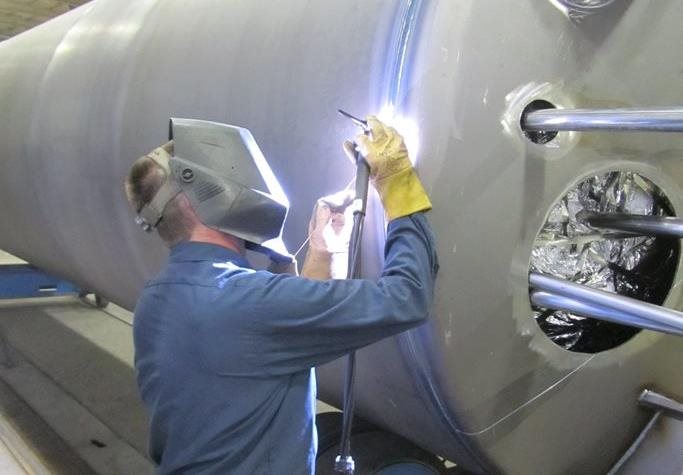
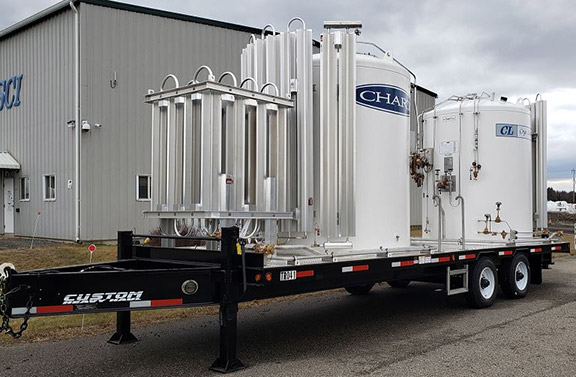
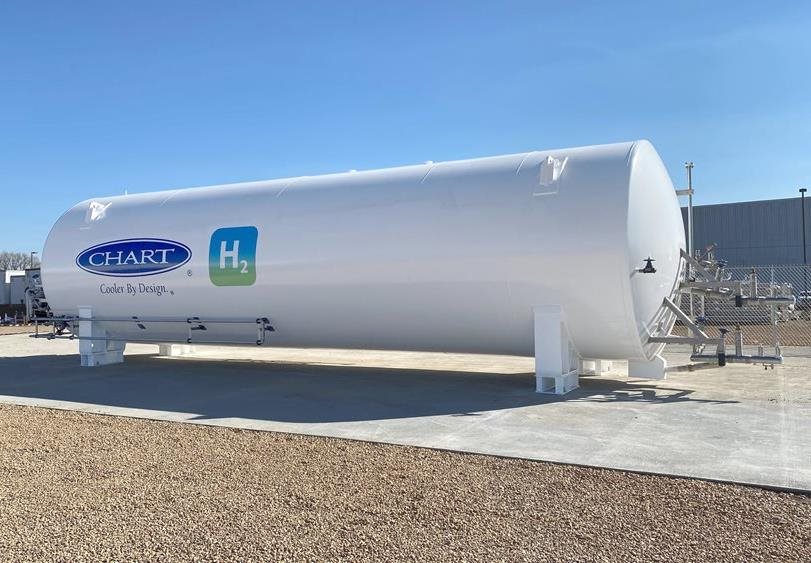
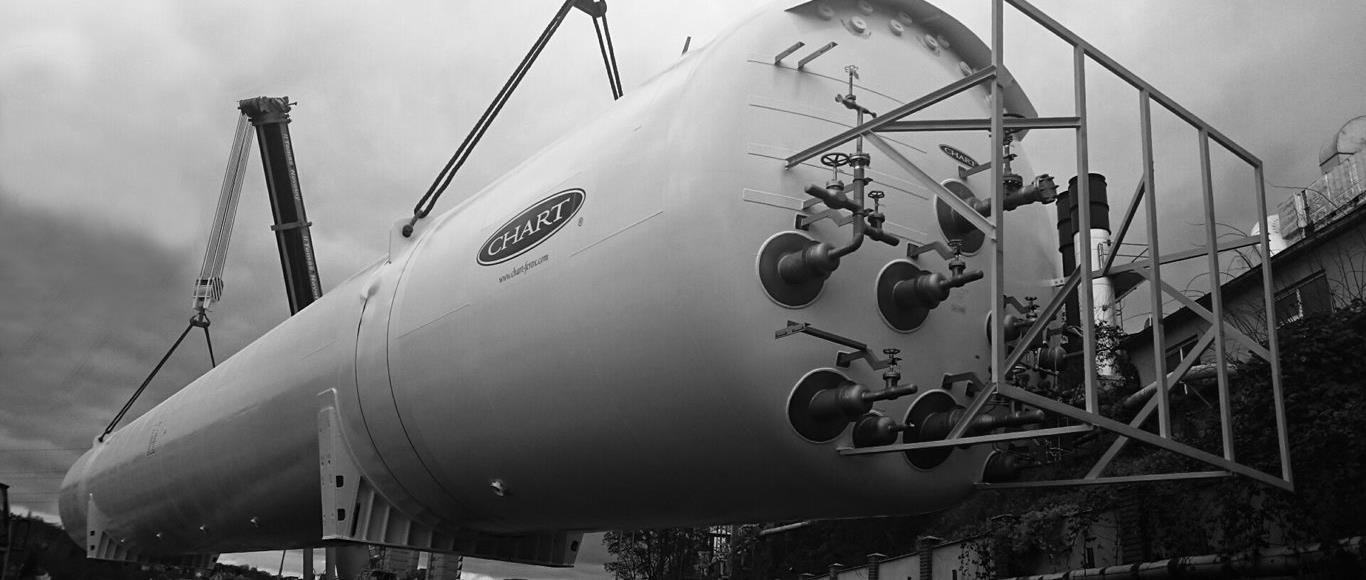
Provoz společnosti Ferox je hlavním evropským strojírenským a výrobním závodem společnosti Chart, který primárně obsluhuje region MENA. Důraz je kladen na kryogenní zařízení a řešení pro skladování, distribuci a konečné použití zkapalněných plynů, včetně vzduchových plynů, oxidu uhličitého (CO2), zkapalněného zemního plynu (LNG), vodíku a dalších.
Náhradní díly - náhradní díly OEM pro kompletní sortiment včetně historických a zastaralých modelů. Obrovský inventář a zásilky skladových položek ve stejný den.Další podrobnosti najdete na adrese feroxparts.com nebo v našem katalogu náhradních dílů
Servis v terénu - plně kvalifikovaní technici jsou k dispozici pro provádění servisu, instalace, opravy a údržby systémů Ferox Chart, potrubí a souvisejícího kryogenního vybavení na místě. Týmy lze nasadit rychle, zejména v nouzových situacích.
Opravy a renovace - opětovné testování, opravy a sanace kryogenních zařízení a systémů na tovární standardy „jako nové“.
Přestože si společnost Ferox vybudovala svoji pověst v leteckém plynárenském průmyslu, byla také nápomocna při přijímání LNG jako bezpečné, ekonomické a čisté spalovací alternativy paliva pro dopravu a energetiku. Mezi průkopnické projekty, které lze připsat týmu Chart Ferox, patří:
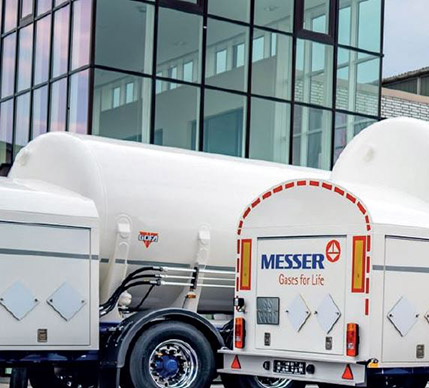
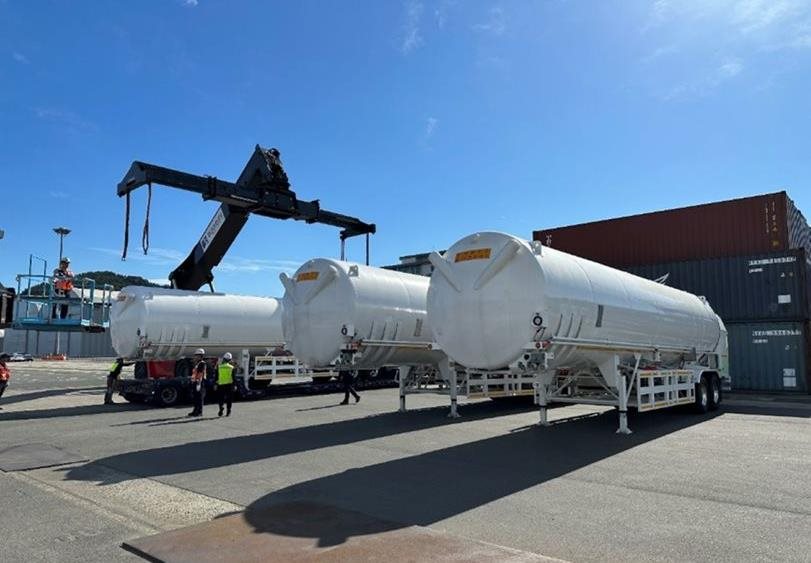
- Víceúčelové přijímací terminály small-scale LNG včetně zásobníků na molu, doplňovací centra pro silniční přívěsy a železniční vozy a jednotka pro zpětné zplyňování k pokrytí místní potřeby energie
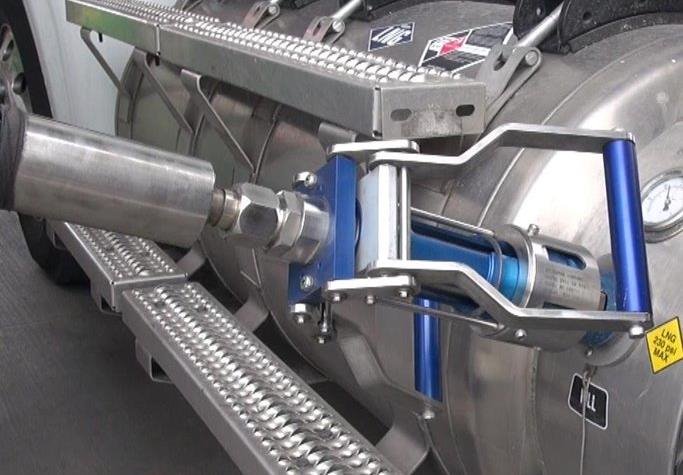
- Systémy plnění zásobníku a čerpání LNG pro námořní plavidla
- Virtuální potrubí LNG - přivádění zemního plynu do oblastí, které nejsou připojeny k rozvodné síti
- Rozvoj palivové infrastruktury pro vozidla na zemní plyn
- Soupravy odpařování a skladování dusíku pro plovoucí LNG (FLNG)
- Ve společném podniku s VTP společnost Chart Ferox vyvinula železniční vůz pro bezpečnou přepravu LNG v evropské železniční síti
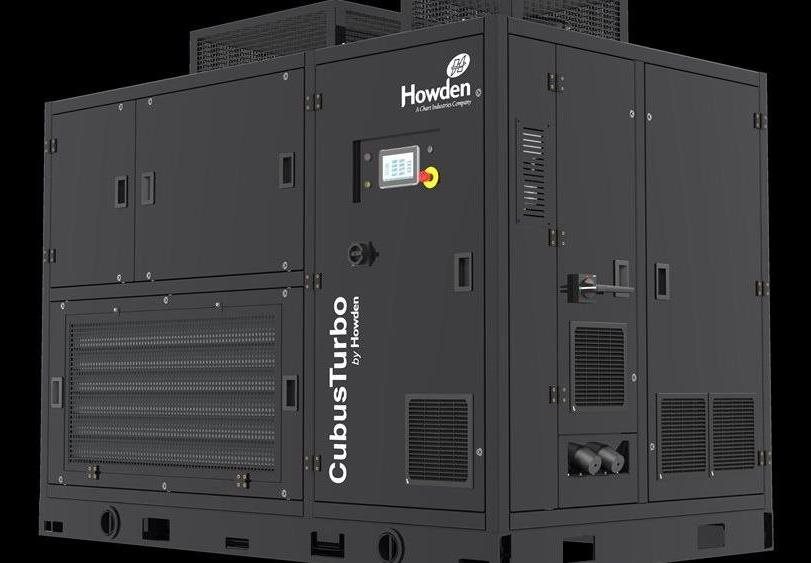
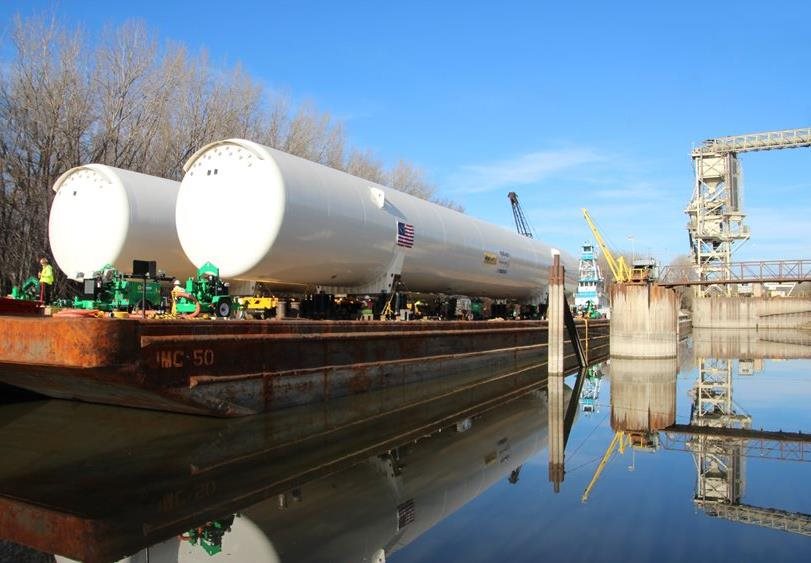
Představované výrobky
.jpg?ext=.jpg)
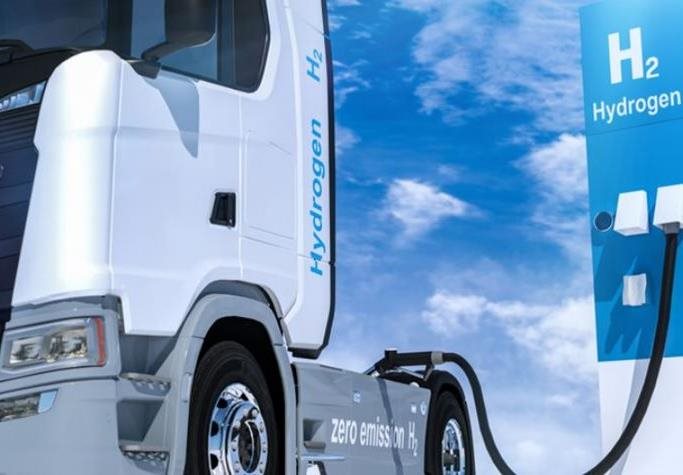
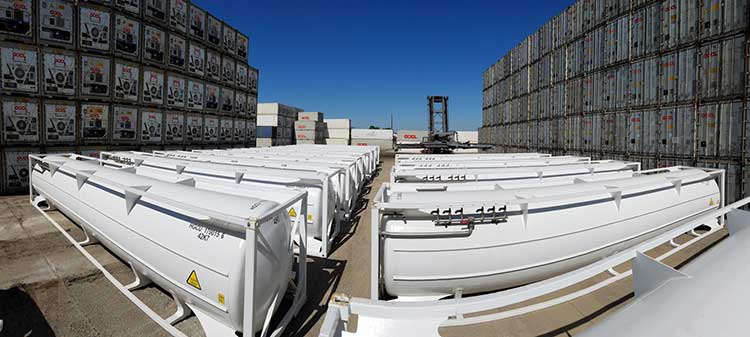
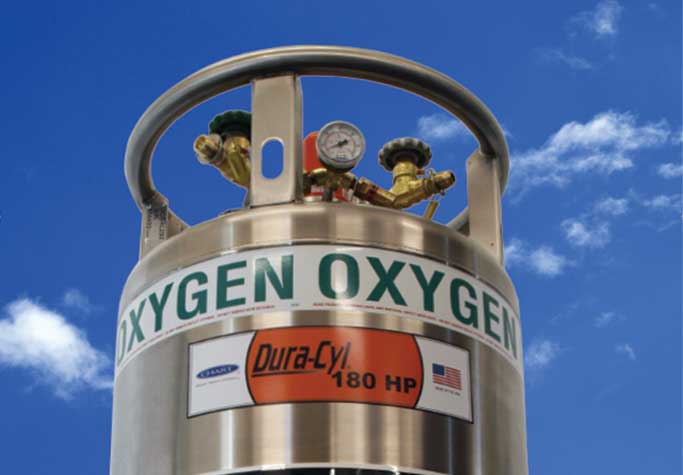
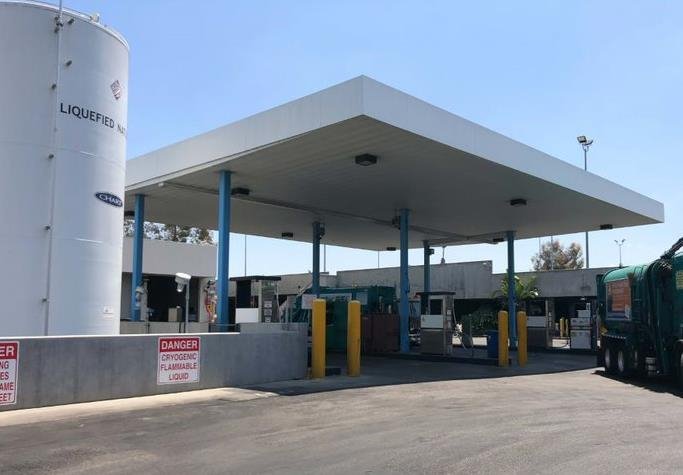
-5-1167x450.jpg?ext=.jpg)

.jpg?ext=.jpg)

Spojte se se společností Chart Ferox
Kontaktujte nás ještě dnesTelefon +420 412 50 7111



 Požádat o nabídku
 Odeslat dotaz e-mailem
 Najít naše pobočky
 Připojte se k našemu týmu